Better-for-You Beverage Development for Functional Drinks
The functional beverage market is expanding at a remarkable pace as consumers look for drinks that deliver more than great taste. Demand for energy, an immunity boost, focus, hydration and digestive support is pushing better-for-you products into the mainstream. This shift is reshaping expectations for what a beverage should deliver and raising the bar for brands entering or growing in the space.
Companies that anticipate and respond to these evolving needs are gaining market share. Products aligned with key better-for-you trends are outperforming legacy categories, combining strong positioning with disciplined formulation, sourcing and production strategies.
The opportunity is significant, but so are the challenges. Formulation constraints, supply chain complexity, cost pressures and regulatory requirements can slow progress without the right strategy. Teams that pair market insights with technical expertise can reduce risk and innovate with the intention of meeting today's performance-driven beverage expectations.
The Rise of Functional, Better-for-You Beverages
Functional benefits have moved from a niche claim to a core growth driver. They show promising potential for supporting immune, cognitive and gut health when formulated with evidence-based ingredients. These products offer targeted benefits beyond hydration, often adding vitamins, minerals, prebiotics and probiotics, or other bioactives to address specific wellness goals. Popular examples include brands like Poppi and Olipop.
Health-conscious consumers increasingly seek beverages that offer functional benefits, including:
- Energy: A preference for sustained, clean energy is steering demand toward natural compounds and botanicals over high-sugar stimulants.
- Gut health: Growing interest in microbiome support is accelerating the use of prebiotic and probiotic ingredients such as chicory root, as well as beta-glucan and plant-based fibers derived from carrots or corn.
- Cognitive support: Functional drinks that address focus, clarity or stress management are gaining popularity among busy professionals and students.
As this beverage category matures, so does the need for accuracy and transparency in ingredients. Scientific validation not only ensures compliance but builds consumer trust — allowing brands to establish credibility and compete more effectively in a crowded, health-focused beverage landscape.
Trends Shaping Functional Beverage Development
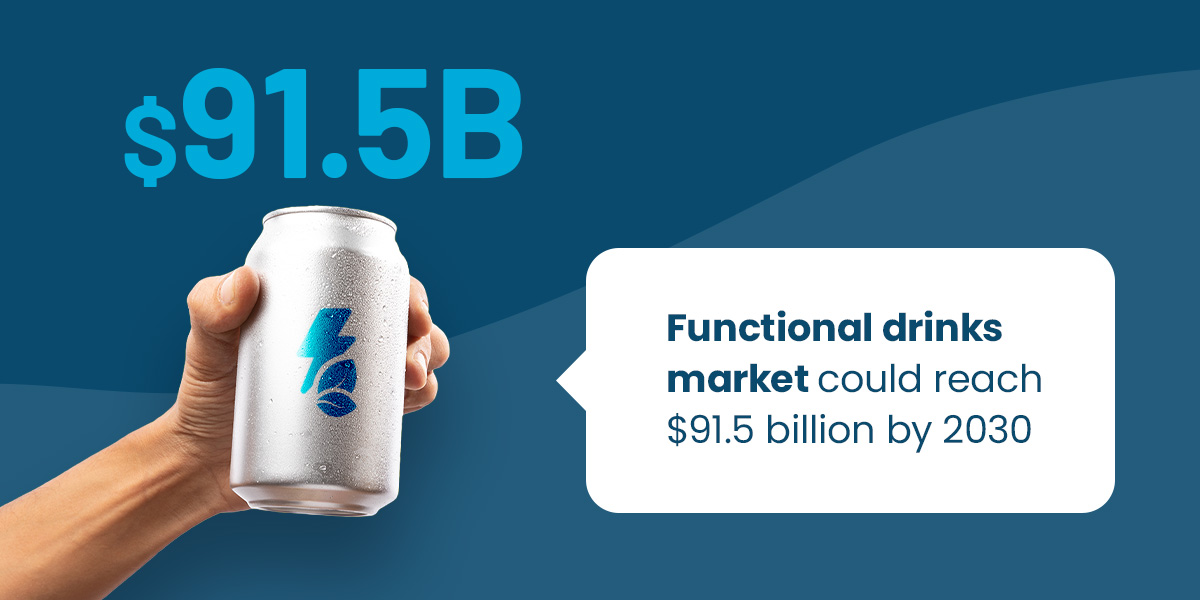
The North American functional drinks market continues to accelerate, with forecasts suggesting it could reach $91.5 billion by 2030. Demand for clean-label beverages and naturally derived functional ingredients is particularly strong. The clean-label functional beverage segment alone is projected to surpass $37 billion by 2034.
Against this backdrop, several influential trends are shaping the development of functional beverages and shaping the next generation of functional beverage innovation.
Proactive and Holistic Wellness
A major driver of beverage commercialization is the shift from reactive remedies to proactive wellness habits. Instead of reaching for quick fixes, consumers, especially Millennials and Gen Z, are building daily routines around beverages that help maintain overall well-being.
Social media and wellness influencers are amplifying the demand for functional beverages that promote proactive, holistic health. By sharing daily routines and better-for-you drink rituals, these influencers shape consumer expectations for products that promote digestion, immunity, energy and overall balance. Their storytelling normalizes wellness as an integrated, everyday lifestyle rather than a short-term trend.
This evolution reinforces the “food as medicine” mindset and requires brands to position functional beverages as part of an ongoing health practice — not a one-time performance enhancer. Successful brands clearly communicate how their products integrate into daily wellness routines and deliver consistent, nutritional or functional support.
Personalization and Targeted Benefits
Another key commercialization trend is the demand for targeted functionality. Consumers want beverages to align with their specific health goals, lifestyles and demographic needs — and they reward brands providing relevant, personalized solutions.
While energy, hydration, recovery and cognitive support remain top purchase drivers, new opportunities are emerging within specific demographics.
For example, women are a growing audience for beverages that support digestion, skin health and hormonal balance. This trend opens pathways for innovation using ingredients such as collagen for elasticity, probiotics for digestive comfort and adaptogens for stress modulation.
For beverage brands, personalization is emerging as both a competitive differentiator and a viable growth strategy for achieving differentiated positioning and expanding product lineups.
Functional Ingredients
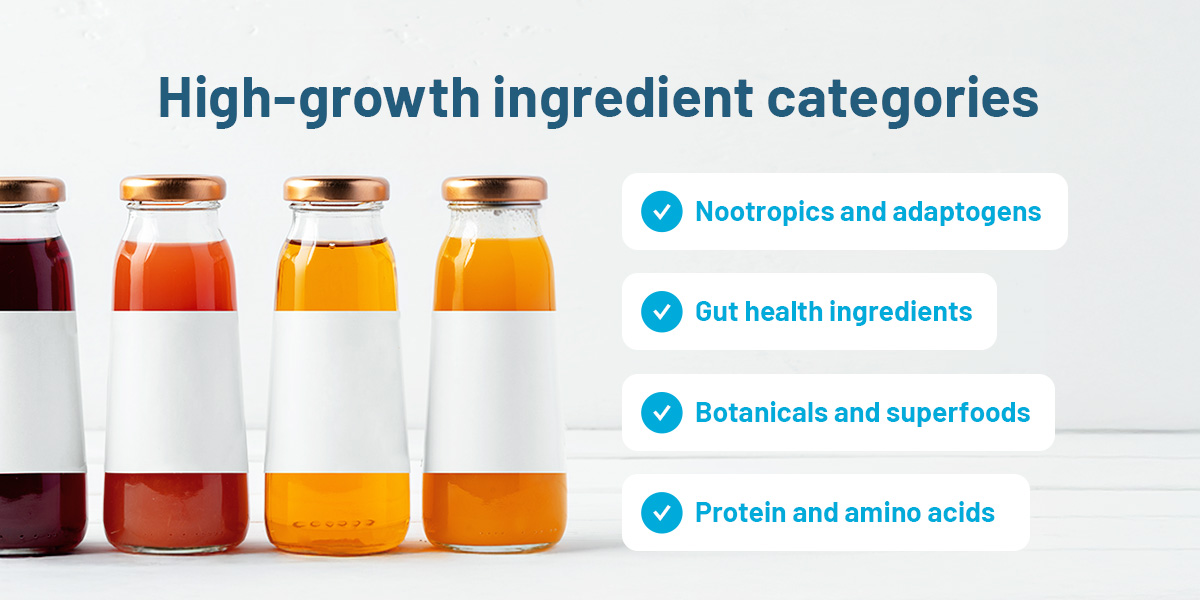
Ingredient strategy plays a central role in functional beverage development. As consumers become more educated, their expectations around ingredient effectiveness, sourcing and transparency continue to rise. High-growth ingredient categories include:
- Nootropics and adaptogens: Demand remains strong for L-theanine, ashwagandha, rhodiola and other compounds that support stress reduction and cognitive performance. These ingredients help brands compete in the fast-growing mental performance segment.
- Gut health ingredients: Probiotics, prebiotics and postbiotics continue to drive innovation in digestive wellness and immune-support beverages. Fiber is also emerging as a foundational wellness ingredient supporting not only gut health, but also metabolic balance and satiety. When used responsibly and compliantly, these ingredients can also strengthen claims, support premium pricing, and enhance functionality.
- Botanicals and superfoods: Extracts such as ginger, turmeric, acerola and pomegranate deliver both functional value and natural flavor enhancement. Their familiarity and perceived health halo give brands an accessible way to elevate formulations and connect through storytelling.
- Protein and amino acids: Plant and dairy proteins, as well as functional amino acids like BCAAs, glutamine or leucine, remain foundational for beverages targeting recovery, satiety and sustained energy. Interest in clean-label, plant-derived and hybrid protein systems continues to grow across performance and wellness segments.
A well-defined ingredient strategy not only shapes R&D outcomes but also influences marketing, cost models and channel positioning.
Low, No Sugar and Clean Label Formulations
Sugar reduction remains a fundamental requirement in the development of functional beverages. Brands are increasingly adopting natural sweeteners such as stevia, monk fruit and erythritol to create clean-label beverages with functional ingredients, without compromising taste or sensory appeal.
At the same time, clean-label expectations are tightening as consumers demand transparency around ingredient sourcing, processing and safety. For developers, these expectations influence everything from raw material selection to regulatory review and label design.
Sugar alternatives, flavor modulators and stabilizers must all align to support compliance claims while maintaining desired taste, mouthfeel and functionality. Regulatory considerations, especially around sweeteners, natural claims and functional positioning, are increasingly influential in development timelines.
The Challenges of Functional Beverage Formulation
Developing a functional beverage requires technical expertise and strategic ingredient selection. Better-for-you drinks depend on active compounds that must remain effective, taste appealing and comply with regulatory standards. Many projects stall when these complexities are not addressed early in development. The most common challenges include:
- Bioavailability and stability: Functional ingredients must maintain their potency from production through shelf life. Heat, light, pH and processing conditions can degrade vitamins, botanicals, probiotics and other actives, weakening both efficacy and claim validity. Development teams often need to evaluate ingredient formats, refine processing methods, conduct stability testing and choose packaging that protects sensitive compounds.
- Flavor masking: Many functional ingredients introduce off-notes that can be bitter, earthy, metallic or sharp-tasting. Because taste is a top purchase driver, addressing these sensory challenges is critical. Clean-label expectation adds further complexity by limiting artificial masking agents and high-intensity sweeteners. Even traditionally performance-driven categories such as sports drinks, which increasingly provide functional benefits, must be tasty enough to keep pace with evolving consumer expectations.
- Solubility and texture: Ingredients such as adaptogens, minerals, fiber and natural sweeteners can affect a drink's clarity, viscosity and mouthfeel. Sedimentation, grittiness, cloudiness and unwanted foaming are common formulation hurdles. Solving these challenges may require ingredient pre-processing, optimizing mixing sequences, precise pH control or selecting stabilizers that align with clean-label expectations.
- Ingredient synergy: Combining multiple functional ingredients can enhance perceived product value, but can also significantly increase formulation complexity. Some actives work synergistically, while others may compromise stability, impact flavor, or reduce absorption. Teams should assess compatibility, define effective dose ranges and identify potential interactions to ensure that functionality and sensory performance are delivered as intended.
- Regulatory considerations: Functional beverages operate within evolving and well-defined regulatory frameworks. Ingredient approvals, dosage limits, health-claim rules and labeling standards may vary by region. In the U.S., Generally Recognized as Safe (GRAS) status and the Food and Drug Administration (FDA) guidance shape many formulation decisions. The EU relies on the European Food Safety Authority (EFSA) evaluations, while Health Canada regulates natural health products and related functional ingredients.
From Concept to Commercialization: A Step-by-Step Roadmap to Developing a Better-for-You Functional Drink
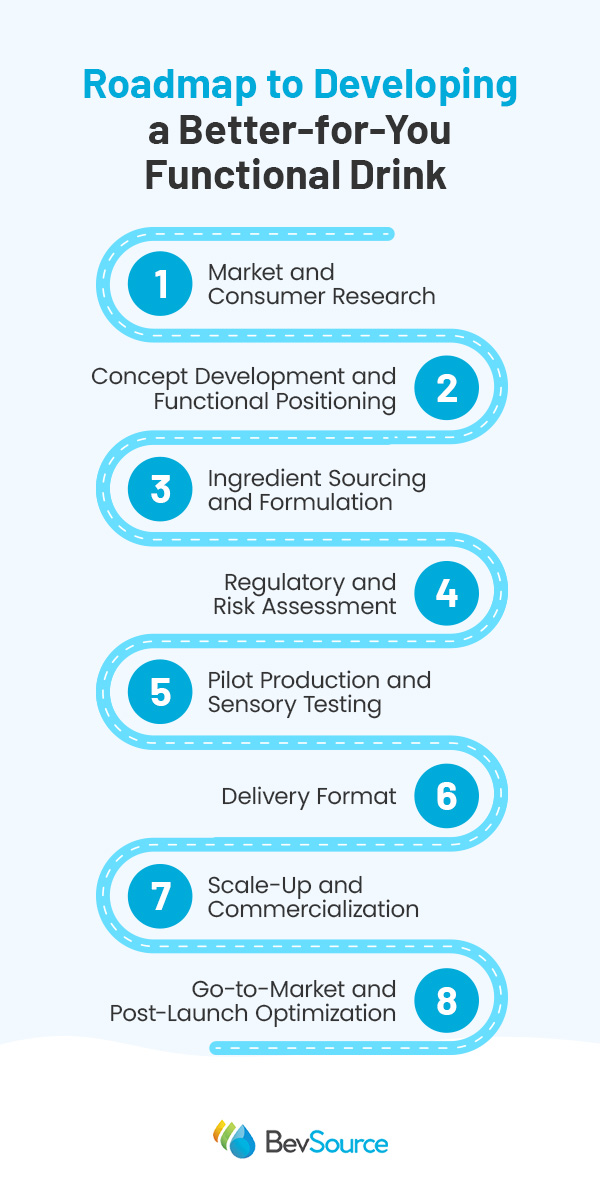
Bringing a functional beverage to market requires a structured path that aligns brand strategy, consumer insight, ingredient science, regulatory clarity, production readiness and market execution. Here is a framework of eight major steps to guide teams from idea to shelf-ready products, helping to ensure the product stands out, delivers on its promises and reaches consumers effectively.
Each stage demands specific decisions, resources and pacing. Skipping or compressing any one area increases the risk of formulation breakdown, regulatory delays or weak market traction.
Step 1: Market and Consumer Research
The first task in developing a functional beverage is uncovering real white space and validating demand. Research should go beyond high-level trends, drilling into target segments, unmet needs and competitive gaps. Key research activities include:
- Segment mapping: Identify consumer groups, such as wellness-focused professionals, active lifestyle consumers or health-conscious Gen Z audiences.
- Needs assessment: Identify pain points and unmet needs, such as limited options for mental focus, gut health support or life-stage needs such as perimenopausal symptom relief and hormonal balance.
- Channel audit: Evaluate where target customers shop, preferred retail and e-commerce channels, and competitive shelf dynamics.
- Competitive landscape: Map existing products, claimed benefits, pricing and product positioning. Highlight areas where competitors make functional claims without strong scientific substantiation.
- Demand validation: Utilize consumer surveys, concept testing or market-simulation tools to measure interest, willingness to pay and purchase intent.
Step 2: Concept Development and Functional Positioning
Once target segments and demand are validated, the next step is to translate insights into a focused, technically feasible product concept. This stage aligns consumer promise, ingredient strategy and formulation constraints before significant time and money are invested in development.
Develop a focused target consumer persona and functional claim hierarchy, prioritizing one or two benefits instead of broad, unfocused promises. Ensure the concept and brand narrative align with the chosen format and packaging — whether a bottle or can, shot or a premix powder — as well as brand voice, price tier and long-term portfolio strategy.
Step 3: Ingredient Sourcing and Formulation
With the concept in place, development shifts to choosing ingredients that deliver the intended functional benefit while meeting appearance, flavor and cost targets. Brands should also consider supply chain reliability, minimum order quantities, lead times and how the efficacious levels of functional ingredients will impact COGS and the product's retail price.
Evaluating stability, solubility, batch-to-batch consistency and compatibility between ingredients is essential. The decisions made directly influence downstream processing options, quality, testing needs and shelf-life performance.
Step 4: Regulatory and Risk Assessment
Brands should conduct a comprehensive internal regulatory review to confirm the product is safe to consume, compliant in target markets and strategically positioned from a claims perspective. This process involves confirming Generally Recognized as Safe (GRAS) status and ensuring marketing and label claims don't exceed what the supporting science can substantiate. A robust regulatory plan evaluates structure or function claim language, product category classification, allergen declarations, labeling requirements, usage limits, and supporting documentation needs.
Proactive risk assessments help identify potential ingredient interactions, shelf-life challenges or labeling pitfalls early in the development process. By addressing these variables up-front, brands can avoid the significant costs and delays associated with late-stage reformulation, relabeling or claim revisions.
Step 5: Pilot Production and Sensory Testing
Once a formulation is validated on the bench, a pilot run is recommended. Pilot productions reveal how a formula behaves during critical stages like processing, filling and storage — bridging the gap between a lab sample and a commercial-scale run. While full-scale pilots can be a significant investment, smaller-scale trials or controlled benchtop equivalents provide vital insights into flavor stability, texture shifts and potential ingredient interactions.
To ensure market readiness, sensory and consumer testing can help evaluate flavor, aroma, mouthfeel, aftertaste and visual appeal. Consumer panels, where feasible, offer early feedback on acceptability, perceived benefit and purchase intent. These insights allow for strategic refinements that can improve the product before committing to the capital requirements of large-scale production.
Step 6: Delivery Format
The delivery format directly impacts how consumers perceive, use and achieve commercial success. While ready-to-drink bottles and cans remain the industry standard, emerging formats such as powders, concentrates, gels and wellness shots can offer advantages in cost, convenience and functional performance. Each format has distinct implications for ingredient selection, processing requirements, shelf life and margin structure.
Packaging must clearly and quickly communicate the product's functional benefits to the consumer. Beyond the visual identity, it also influences logistics, sustainability performance metrics and brand perception. Eco-friendly materials and lightweight packaging formats are increasingly important to consumers and retailers, particularly in wellness-focused categories where sustainability can reinforce brand credibility.
Step 7: Scale-Up and Commercialization
As the product nears launch, the focus shifts to establishing the infrastructure for consistent, scalable production. This includes selecting a manufacturing partner with the appropriate capabilities, experience working with functional ingredients and a strong quality program. Raw material contracts and packaging agreements are finalized, and inventory planning processes and demand forecasting models are developed.
Quality assurance is critical for long-term success. Clear specifications, testing protocols and batch-tracking systems help ensure product consistency, safety and performance as volumes increase. These controls support reliable commercialization while protecting brand integrity and regulatory compliance.
Step 8: Go-to-Market and Post-Launch Optimization
Launching a functional drink is just the beginning of the journey. Ongoing monitoring provides critical insight into what resonates with consumers and where refinements are needed. Key indicators — such as retail feedback, sales velocity, consumer reviews, and repeat-purchase rates — provide critical data on product acceptance.
Post-launch optimization may involve flavor fine-tuning or design refinements, format expansion or cost optimization. Brands that actively gather and act on market feedback are better positioned for long-term growth, expanded distribution and sustained category relevance.
Partner With BevSource for Better-for-You Beverage Development
Developing a functional beverage requires more than trending ingredients or a compelling idea. It demands a disciplined process grounded in consumer insight, precise formulation, regulatory certainty and production readiness. As expectations for better-for-you products continue to grow, successful brands integrate strategic thinking with technical execution at every stage.
BevSource offers customizable beverage development and production services to bring your better-for-you concept to market. With decades of technical and operational expertise, our team helps brands create science-backed, consumer-ready beverages that deliver on their functional promise.
Contact us today to launch your better-for-you beverage successfully.