Decoding Consumer Claims: What Really Resonates in the Digestive Health Beverage Market?

The digestive health beverage market isn't just a niche wellness category anymore — it's a high-stakes opportunity. Consider this: North America already dominates the global digestive wellness beverage market with a 42.1% share, valued at $11.4 billion in 2023.
However, brands venturing into the space face a complex web of microbiome science, consumer claim substantiation and stringent regulatory expectations. Ingredient choices, dosage levels and stability requirements only further complicate formulation.
Those who decode the landscape stand to capture significant market share. This guide provides the crucial insights needed to translate complex science into consumer-friendly claims, develop credible products and scale your brand with confidence. By breaking down key resonating claims and outlining effective formulation strategies, you can build a truly competitive beverage.
The Expanding Universe of Digestive Health Beverages
As research links the gut microbiome to immunity, metabolic health and well-being — and as Gen Z and Millennials increasingly connect gut health to broader benefits like energy, mood, and daily performance — digestive wellness is turning into a core focus in functional beverage innovation. A functional beverage is a nonalcoholic drink formulated to provide a benefit beyond basic hydration or nutrition, usually through added ingredients like vitamins, minerals, probiotics, botanicals, amino acids, or fiber.
In the market, three digestive wellness categories stand out:
- Prebiotics are nondigestible fibers that feed beneficial gut bacteria. These ingredients help support microbiome balance and digestive regularity.
- Probiotics are live microorganisms that deliver benefits when consumed in adequate amounts. They help maintain diversity and digestive function.
- Postbiotics are bioactive compounds produced by probiotic bacteria during fermentation. These compounds can offer gut health benefits without requiring live cultures.
Determining the Right Claim Terminology
Early functional beverages relied on broad language such as “supports digestive wellness,” but today, consumers expect more specific claims tied to recognizable ingredients. In particular, consumers increasingly seek proactive wellness solutions, with gut health increasingly viewed as part of daily preventive wellness rather than a response to illness.
For prebiotic beverages, core claims increasingly include “source of fiber,” and “supports immune health,” complemented by additional label claims such as “gluten-free,” “vegan,” and “no, low or reduced calories” to support broader product positioning. Other growing claims encompass sugar-free, antioxidant and energy-related benefits. These terms point to benefits such as immune support and reduced digestive discomfort.
Clean-label and plant-based digestive beverages are also gaining traction, especially amongst lactose-intolerant and vegan consumers looking for natural ingredients and fewer synthetic additives.
No matter the claim, beverage brands can leverage digestive wellness as a versatile innovation platform. Trending products range from fermented beverages and kombucha to functional sodas, juices and wellness shots.
Understanding Formulation, Format and Flavor
Ingredient stability, dosage levels and sensory performance all influence commercialization success. Beyond scientific formulation, convenience and engaging flavors are also essential for market adoption. Ready-to-drink (RTD) beverages appeal to busy professionals seeking effortless wellness integration, while innovative flavors are increasingly necessary to capture consumer interest beyond conventional offerings.
Harnessing Social Media
The influence of social media can't be overstated. Influences are serving as key advocates for prebiotic beverage wellness benefits. Strategic collaborations between brands and influencers are proving highly effective at boosting awareness and engagement and positioning these beverages as integral to a healthier lifestyle.
Decoding the Most Resonant Consumer Claims
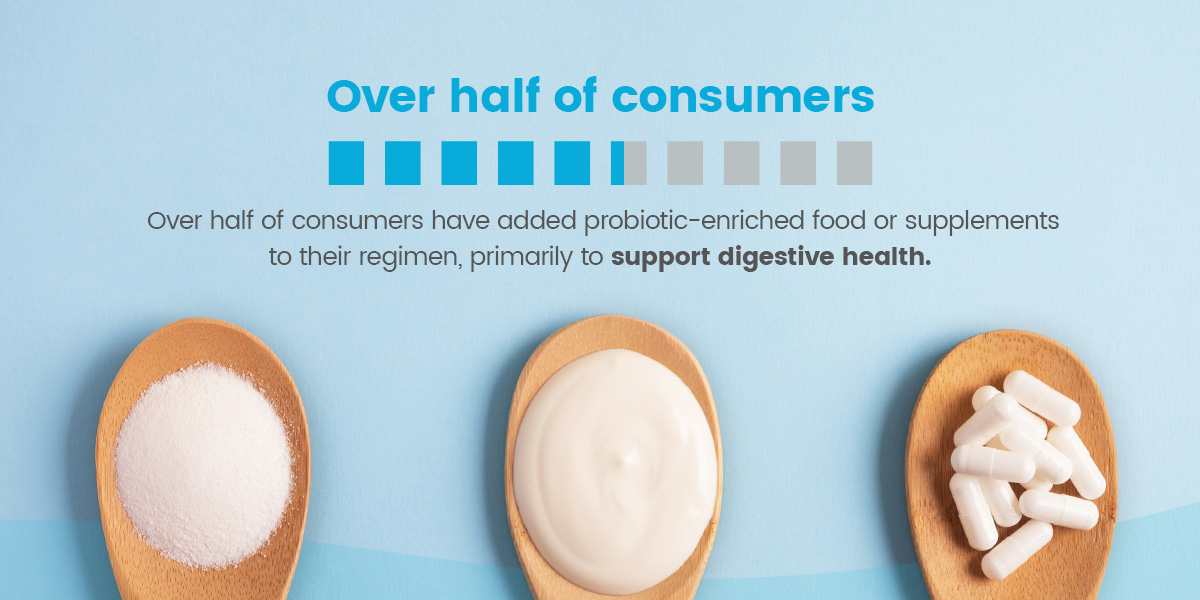
Choosing a digestive wellness claim is a strategic decision that influences product positioning, ingredient selection, regulatory considerations and consumer perception. Some claims resonate more strongly than others, a pattern that is particularly evident in the probiotic space. Over half of consumers have added probiotic-enriched food or supplements to their regimen, primarily to support digestive health.
Consumer awareness, scientific validation and ingredient familiarity all shape purchasing behavior. Depending on the beverage you plan to bring to market, certain digestive claims will connect more clearly and credibly with your target audience.
The Power of “Probiotic”
Probiotic bacteria and yeasts are common in fermented foods, where they play a key role in the fermentation process. In the digestive system, these microbes help support microbiome balance, improving digestion, reducing bloating, and contributing to immune function. Common strains include Lactobacillus acidophilus and Bifidobacterium lactis.
Consumer familiarity drives demand. Probiotics were popularized in the dairy category and have since expanded into a wide range of functional beverage formats. However, this ingredient comes with some formulation challenges:
- Viability: Probiotics must stay viable through processing and shelf life. Heat, oxygen exposure and acidity can reduce microbial survival.
- Dosage: Manufacturers must formulate beverages with clinically relevant doses. Similar to supplements, many probiotic beverages aim for at least one billion colony-forming units per serving.
- Distribution: Supply-chain conditions have a major impact on stability. Refrigerated distribution often supports probiotic viability, while the requirement for cold storage can limit retail merchandising options and shelf-placement flexibility.
Despite formulation complexity, probiotics continue to anchor digestive health beverage innovation. To address these challenges, beverage developers are increasingly using advanced stabilization technologies, including microencapsulation, freeze-dried cultures or spore-forming probiotic strains.
The Appeal of “Prebiotic”
Prebiotics are nondigestible fibers that nourish beneficial gut bacteria without introducing live microorganisms. Instead, they support the growth of beneficial microbes already present in the gut. Common prebiotic ingredients include inulin, chicory root fiber and resistant starch.
Growing consumer awareness is helping to strengthen this category — many people now recognize fiber as a key component of digestive wellness. For beverage developers, prebiotics offer flexible functionality. They can also improve sweetness perception and mouthfeel in reduced-sugar formulations.
Prebiotic beverages are shelf-stable, easy to integrate into many beverage formats and support multiple claims, allowing brands to highlight digestive health, dietary fiber intake and microbiome support.
The Rise of “Postbiotic”
Postbiotics are an emerging frontier in digestive wellness beverages. They consist of bioactive compounds produced during fermentation, including peptides, enzymes, cell fragments and organic acids.
- Microbiome benefits: Postbiotics deliver microbiome benefits without requiring live cultures, eliminating many of the stability challenges associated with probiotics.
- Increased tolerance: These compounds tolerate heat and oxygen exposure more effectively, expanding beverage processing options and enabling shelf-stable formulations.
- Health benefits: Postbiotics support targeted health benefits, with research linking them to immune modulation, anti-inflammatory effects and digestive balance.
Although consumer awareness of postbiotics lags behind that of probiotics and prebiotics, interest in this category is growing. Industry experts view postbiotics as the next wave of functional beverage innovation.
For beverage brands, postbiotics offer opportunities to develop shelf-stable digestive support products grounded in strong scientific evidence.
Key Ingredients in Digestive Health Beverages
Digestive health claims rely on carefully selected ingredients. Successful beverages combine scientifically supported compounds with formulations that maintain stability, taste and scalability. Ingredient selection must support both functional performance and consumer expectations.
For gut health beverage manufacturing, the most common ingredients include live probiotics, fiber and plant-based compounds that support the balance of gut bacteria. One example is the probiotic DE111®, which is stable under a range of temperatures, pH changes and water activity and withstands the rigors of food and beverage processing. It is supported by more than 30 safety and efficacy studies and is FDA-Notified GRAS, QPS Listed (EU) and Non-GMO Project Verified, addressing critical regulatory and clean-label consumer demand.
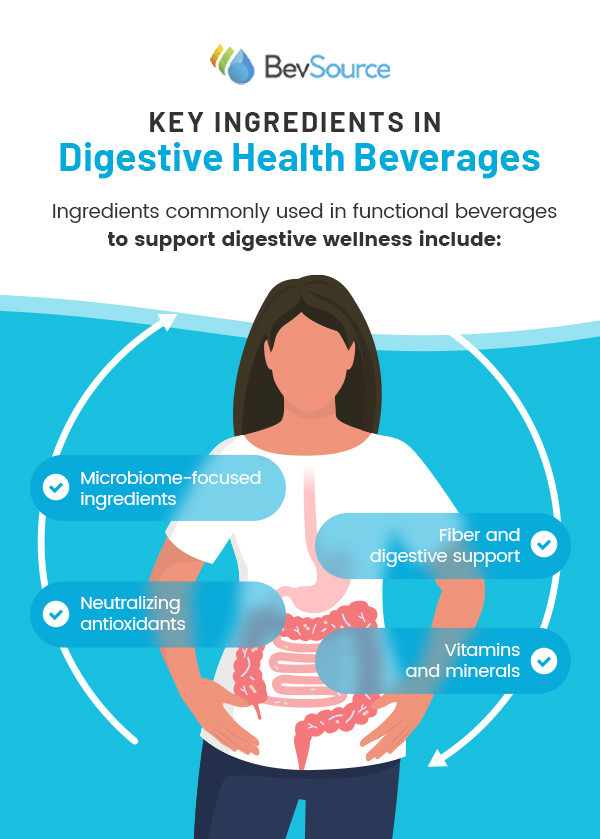
Ingredients commonly used in functional beverages to support digestive wellness include:
- Microbiome-focused ingredients: The “biotic” ingredient family is the backbone of digestive beverage innovation. Developers will typically opt for ingredients that support microbiome activity and offer mild sweetness, high solubility and minimal flavor impact. Stability plays another important role, allowing for the formulation of shelf-stable digestive health beverages.
- Fiber and digestive support: Fiber is an essential component in digestive wellness, and functional beverages offer a convenient delivery format. Soluble fibers work particularly well in beverages, dissolving easily and delivering smooth textures. Research has even linked certain fibers to blood glucose regulation and improved satiety.
- Neutralizing antioxidants: Plant-derived antioxidants help reduce oxidative stress and support general wellness. Sources include green tea extract, berry concentrates and turmeric derivatives. With these ingredients, developers must carefully evaluate compatibility, as some antioxidants influence color, aroma or flavor stability.
- Vitamins and minerals: Many digestive support beverages are also fortified with essential vitamins and minerals, such as vitamin C, vitamin D and zinc. These nutrients play vital roles in immune support, complementing the primary digestive benefits.
How to Differentiate Your Digestive Health Beverage
As digestive wellness beverages appear across multiple beverage categories, there's a lot of competition for attention. Differentiate your beverage by offering the functional ingredients consumers seek, paired with added benefits.
Brands can differentiate by offering a holistic sensory profile and using creative ways to shape the final perception. The goal is to consistently deliver a long-lasting aroma and a pleasing mouthfeel.
Flavor and Sensory Experience
Taste strongly influences repeat purchases. Many functional compounds can introduce bitterness, acidity or altered mouth feel, and addressing these challenges early will prevent reformulation delays. To mask off‑notes from functional ingredients and deliver appealing, recognizable flavors, developers often rely on fruit‑based flavor profiles such as citrus, berry and tropical blends. As consumers favor better-for-you ingredients, relying on natural options such as stevia or monk fruit supports a sweetener strategy with clean label positioning.
Liquid formulations, like probiotic beverages, are highly appealing due to their perceived fast absorption and ease of daily incorporation, especially for consumers who value convenience.
Texture management is equally important, as fibers like guar gum can increase viscosity and affect mouthfeel. Developers must therefore balance functional performance with smooth drinkability. Sensory testing can help validate these formulations for consumer acceptance.
Transparency and Clean Labeling
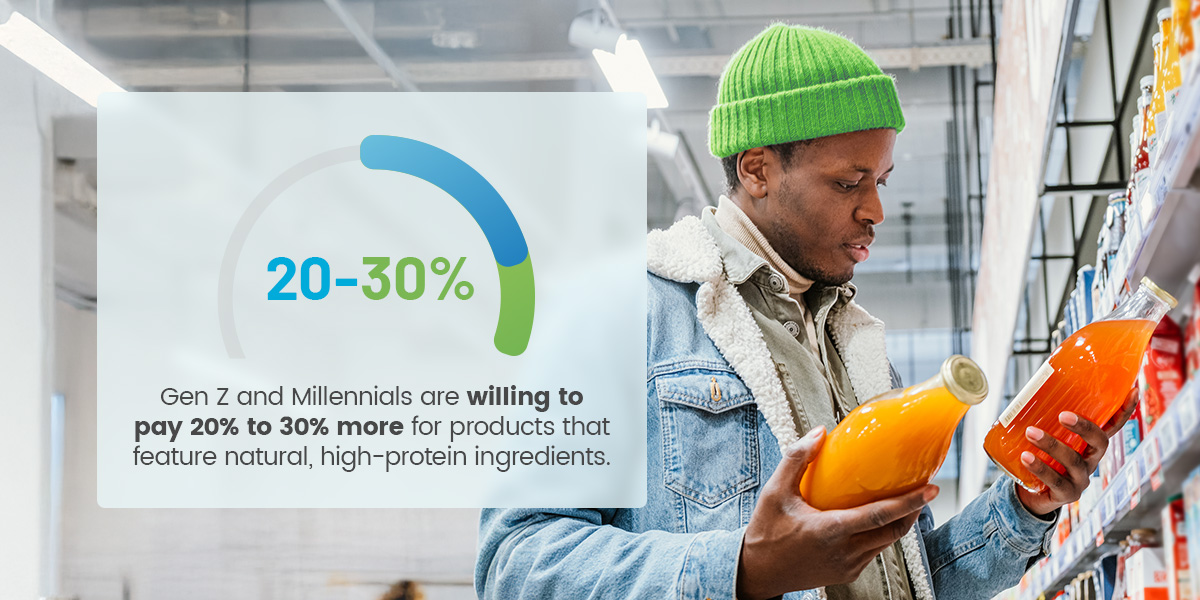
Consumers increasingly associate digestive wellness with natural ingredients and minimal processing. Gen Z and Millennials are willing to pay 20% to 30% more for products that feature natural, high-protein ingredients. To meet this demand, brands are increasingly moving to eliminate artificial additives and prioritize recognizable, pronounceable ingredients. Clearly identifying probiotic strains and fiber sources reinforces product credibility, and a shorter ingredient list improves panel readability, supporting consumer trust.
Consumers are increasingly choosing to avoid artificial additives. These synthetic compounds are often linked to adverse effects on the gut microbiome, cardiovascular diseases and altered glycemic control. Prioritize natural flavors, which are defined by the FDA as substances derived from natural sources, often possessing their own therapeutic properties, like antioxidant or anti-inflammatory benefits. This approach reassures consumers and aligns with a broader industry trend toward less processed options.
Regulatory alignment remains critical. Brands must ensure claims accurately reflect ingredient functionality and usage levels. Digestive support claims are heavily scrutinized by the FDA, highlighting the importance of maintaining functional claims over disease claims:
- Use “supports digestive health” language.
- Avoid implying disease treatment.
- Display viable organism counts through shelf life for probiotic claims.
- Ensure fiber claims meet the FDA fiber definitions under 21 CFR.
Innovative Formats and Delivery Systems
Innovative beverage formats are helping to expand consumer adoption of digestive wellness products. While conventional fermented beverages remain popular, new delivery systems keep emerging:
- Digestive wellness shots
- Prebiotic sparking beverages
- Shelf-stable juice blends with microbiome ingredients
- Powdered beverage mixes for daily gut support
Each format brings distinct advantages. Shots deliver higher ingredient density in a small serving, powders extend shelf life, offering portability and personalization through flexible dosing and on‑the‑go use. Carbonated beverages replicate familiar drinking experiences that are easy to incorporate into daily routines. Digestive beverages are increasingly positioning gut health alongside other functional benefits such as energy, hydration, and immune support, aligning with how consumers already think about these benefits in everyday wellness.
Innovative formats let brands expand usage occasions and reach new consumers. Beyond single probiotics or prebiotics, synbiotic blends offer next-generation digestive health benefits that can give brands a meaningful competitive edge.
Partner With BevSource for Digestive Health Beverage Development
Digestive wellness beverages offer strong growth potential, but successful development requires expertise. Brands must balance ingredient science, processing requirements and regulatory compliance, as each factor influences product performance and scalability.
BevSource helps your business navigate these complexities. Our team supports beverage development through formulation guidance, functional beverage ingredient sourcing and production management. This integrated approach speeds up commercialization while reducing reformulation risk. We have experienced beverage specialists who help your brand translate functional concepts into manufacturable products.
The complexities of formulation, ingredient sourcing or regulatory compliance can slow your brand's growth. BevSource provides the integrated expertise to move your digestive health beverage from concept to commercial success faster.
Contact us today to see how your concept can move efficiently from formulation to full-scale production.