2026 Beverage Trends: The Flavors, Functions and Forces Shaping What Comes Next
The beverage landscape is transforming at an unprecedented speed. Chronic health challenges, tighter budgets and rising digital fluency are reshaping what consumers want and how brands deliver it. Today's consumers demand wellness they can feel immediately — mood, focus, digestion, energy. At the same time, economic pressures are sharpening expectations for value and elevating products that feel purposeful and experiential.
Moving forward, consumers will look for benefit stacking among current macro trends in functional beverages. Flavor is no longer just about taste — it's a vehicle for function, story and emotion.
Trending beverages for 2026 will respond to evolving wellness needs, flavor preferences and phygital experiences with products that merge science, sensory appeal and emotional resonance.
Next Generation Wellness
Health and wellness will remain central to consumer decisions, but their meaning is evolving. Today's consumers prioritize practical daily benefits — like improved mood, energy, digestion and mental clarity — over long-term health goals. They expect immediate, measurable results that demonstrate the effectiveness of functional beverages. These priorities are reshaping formulation strategies and speeding up innovation cycles for micro trends in 2026.
Key shifts that are driving the next generation of wellness include:
- Demand for immediate payoff: Products designed to support energy, mood and digestive comfort outperform those positioned around slow-building, future-oriented outcomes.
- Preference for measurable benefits: Consumers tend to gravitate toward ingredients supported by recognizable effects, such as improved alertness or reduced stress.
- Function-first shopping behavior: Trending beverages still rely on flavor, and format still matters, but functional value now drives trial and repeat purchases in many categories.
- Shift toward holistic everyday wellness: Instead of chasing peak optimization, people want beverages that help them feel balanced, stable and capable throughout the day.
- Benefit stacking is now the expectation: Convenience and perceived time scarcity are pushing consumers towards beverages that work harder for them. Combining health, wellness and lifestyle advantages into a single beverage will be a key innovation strategy, with value measured by how many needs a drink can address at once.
Emotional Health and Resilience
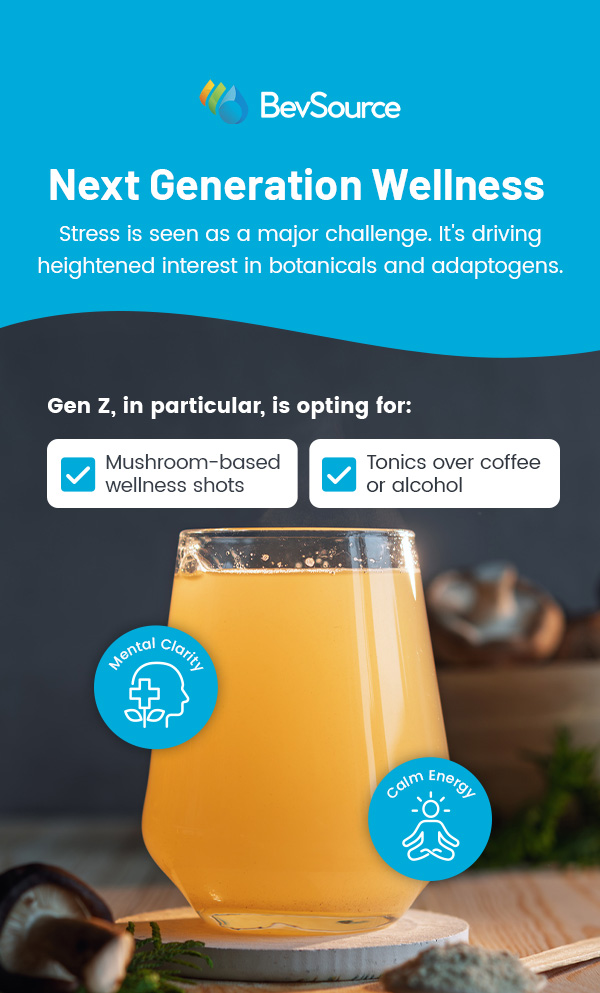
Stress is seen as a major challenge. It's driving heightened interest in botanicals and adaptogens. Gen Z, in particular, is opting for mushroom-based wellness shots and tonics over coffee or alcohol for mental clarity and a sense of calm energy.
Ashwagandha, L-theanine and rhodiola are gaining traction because they're associated with stress moderation and improved concentration. Their familiarity and approachable positioning make these ingredients easier to commercialize than more experimental ingredients. Brands are pairing these adaptogens with clean-label formulations to meet rising expectations for transparency and daily use.
Nootropics also play a growing role, with ingredients like citicoline, tyrosine and other cognitive-support compounds appealing to consumers wanting sharper thinking without relying on high-caffeine products. This positions nootropics as a strategic tool for brands aiming to address performance, productivity and balanced energy within the same beverages.
Regulatory pressure on hemp-derived THC products has accelerated since 2024, creating uncertainty for brands building mood and relaxation offers around low-THC formulations. Federal and state actions — especially the FDA's decision to exclude THC and CBD from the dietary supplement definition — are closing the door on a supplement pathway for most cannabinoid products.
The GLP-1 Effect: Protein and Fiber Take Center Stage
Protein remains a priority for consumers in 2026 beverage trends. Fiber is quickly becoming just as important as “fibermaxxing” gains cultural traction. The growing use of GLP-1 weight management medications is accelerating demand for beverages that deliver satiety, texture and functional support.
Beverage brands are responding with formulas that pair protein and fiber claims with enhanced mouthfeel, specialized gums and other elements that deliver the physical and psychological fullness consumers want.
- Combining soluble fibers, resistant starches and concentrated proteins increases viscosity and lingering mouthfeel.
- Formulation work focusing on hydrocolloids — such as gums and emulsifiers — and on protein-matrix strategies that minimize chalkiness and off-notes.
- Techniques like micro-encapsulation and emulsification help create a smooth mouthfeel and support shelf stability.
Sensory claims such as “substantial mouthfeel,” “meal-replacement texture” or “longer sip satisfaction” help target wellness channels, as long as all clinical claims are carefully worded and supported.
Gut Health and the Holistic Wellness Link
Digestive health remains central to the broader wellness conversation. Consumer awareness of the gut microbiome and its impact on overall well-being continues to rise, motivating more people to adjust their diets accordingly. Prebiotic fibers, such as inulin, fructooligosaccharide (FOS) or resistant dextrins, are being paired with postbiotic metabolites — short-chain fatty acids — to deliver digestive support without refrigeration.
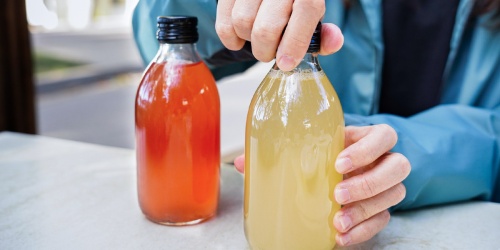
Fermented non-dairy formats, such as kefir and fruit-fermented juices, offer live cultures, low-sugar products and complex flavors. They also create a marketing story that blends tradition, flavors and functions. Beverage innovation is also leaning into superfruits with strong health halos, including dragon fruit, cactus and yuzu. These ingredients support gut-friendly positioning while bringing bright, modern flavor profiles to the category.
Low and No Alcohol Grows Up
The low- and no-alcohol movement is entering a more sophisticated phase. Consumers now expect adult beverages with real complexity, aroma, acidity and body. They want nonalcoholic cocktails that feel elevated rather than simplified.
Texture enhancers and layered botanicals provide brands with new tools to recreate the fullness and bite typically supplied by ethanol, resulting in more satisfying and cocktail-like experiences.
Category data shows double-digit gains in nonalcoholic wine and related segments. From a production standpoint, success hinges on sensory hits. Techniques such as reverse osmosis and vacuum distillation, followed by post-dealcoholization blending, are used to restore body and aromatic complexity.
Flavor Exploration Reaches New Levels
The 2026 flavor trend landscape will be characterized by complexity, authenticity and explicit links to wellness. Flavors will act as functional solutions and emotional anchors, moving beyond their conventional role as taste enhancers.
Maximalism and Joyful Escape
Maximalism pushes flavor farther than simple intensity. Building on trends that emerged during the pandemic, consumers are seeking flavors that excite, comfort or provide a sense of escape. Maximalism layers contrast, such as bright acids against confectionery notes or cooling effects with heat, to build a sensory arc instead of a single dominant profile. From comforting classics with modern twists to boundary-pushing combinations, playful, bold and multidimensional profiles are flourishing.
This micro trend focuses on beverages that feel like an experience. It relies on multistep flavor builds, stabilizing systems that protect volatile top notes and tightly controlled sweetness levels for balance.
Global Flavor Becomes More Specific
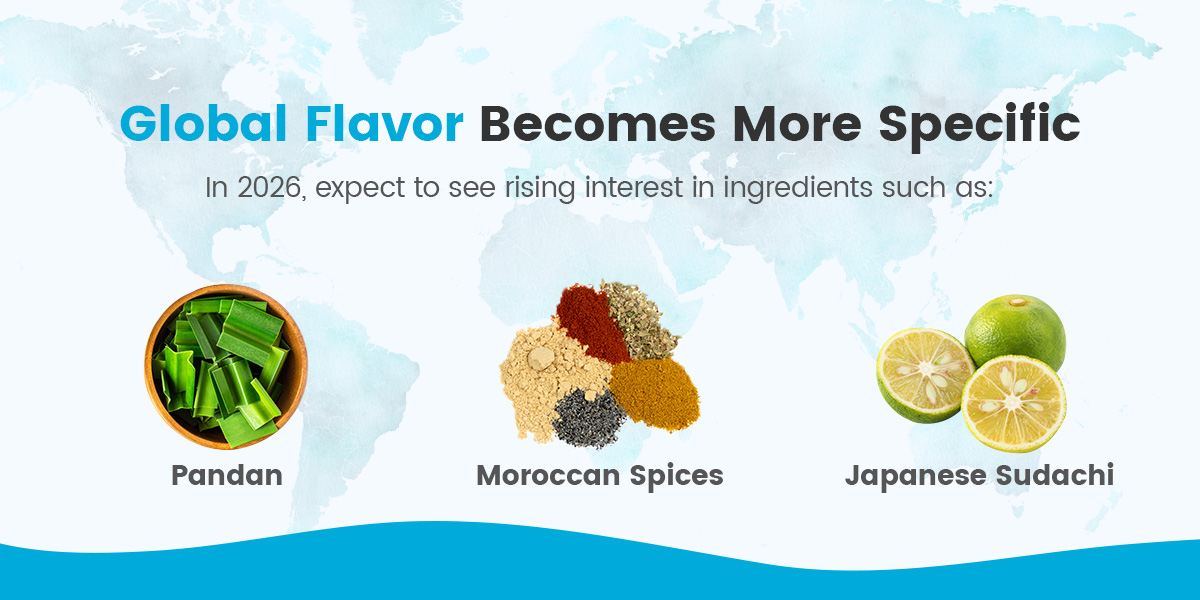
Global flavor exploration continues, but demand is shifting from broad categories to pinpointed origin stories. General references to “Asian” or “Latin” flavors are no longer enough. Shoppers are seeking authenticity. Regionality also matters. In 2026, expect to see rising interest in ingredients such as pandan, Moroccan spices and Japanese sudachi. Focusing on specific regional flavors allows brands to introduce storytelling, origin transparency and a stronger premium narrative.
The global beverage industry flavor trend expands brands' storytelling canvas, enabling teams to showcase their farm-to-table relationships or traditional preparations. These details strengthen premium positioning, especially in sparkling formats, functional still beverages, hybrid tea drinks and adult nonalcoholic cocktails.
The Evolution of Swicy and the Rise of Swavoury
The sweet-spicy ("swicy") trend continues to mature, moving toward layered profiles that incorporate complex, savory elements ("swavoury"). Both trends stand out in 2026 beverage innovation because they deliver surprise without alienating mainstream palates.
The swicy trend is moving toward fruit-forward compositions such as mango habanero and guava jalapeño. Swicy requires precise heat modulation. Capsaicin levels must feel warming rather than overwhelming. This trend works well in carbonated formats, functional energy beverages and ready-to-drink teas.
At the same time, savory-sweet combinations like basil lime or herb-forward spritzers with light umami are beginning to move from culinary settings into beverages. These blends depend on savory elements that enhance fruit rather than pushing the beverage into broth territory. Swavoury products perform well in the adult-beverage-alternative category where consumers want complexity without alcohol.
Nostalgia Reimagined as Newstalgia
Nostalgia is serving as a base of emotional comfort, upon which new, complex flavors are layered. This modern approach — referred to as “newstalgia” — reassures consumers while still satisfying their desire for discovery. Classics like fruit punch are getting bright updates with ingredients like guava, and playful profiles like Rocket Pop are popping up in energy drinks, sodas and hard teas.
Some brands choose lighter versions of nostalgic flavors, relying on acids, natural sweetness enhancers or lower-sugar systems for indulgent profiles without the weight. Newstalgia also offers strong campaign narratives. It ties innovation to the memories of childhood treats, regional favorites or heritage beverages, while signaling that the product is modernized for today's wellness expectations.
The Botanical and Functional Flavor Palette
Botanical flavors are leading the way as consumers connect taste with health benefits. Floral and herbal notes add sophistication and depth to beverages, from elderflower and lavender to hibiscus, rosemary and thyme. The success of the Hugo Spritz, an elderflower-based liqueur, highlights the high demand for sophisticated, light floral notes in adult beverages and premium mixers.
Many brands combine botanicals with functional narratives like stress relief, focus or digestive support, using clear, compliant language around traditional use rather than medical claims. This pairing helps beverages bridge the gap between emotional wellness and culinary sophistication.
Superfruits Power Functional Flavor
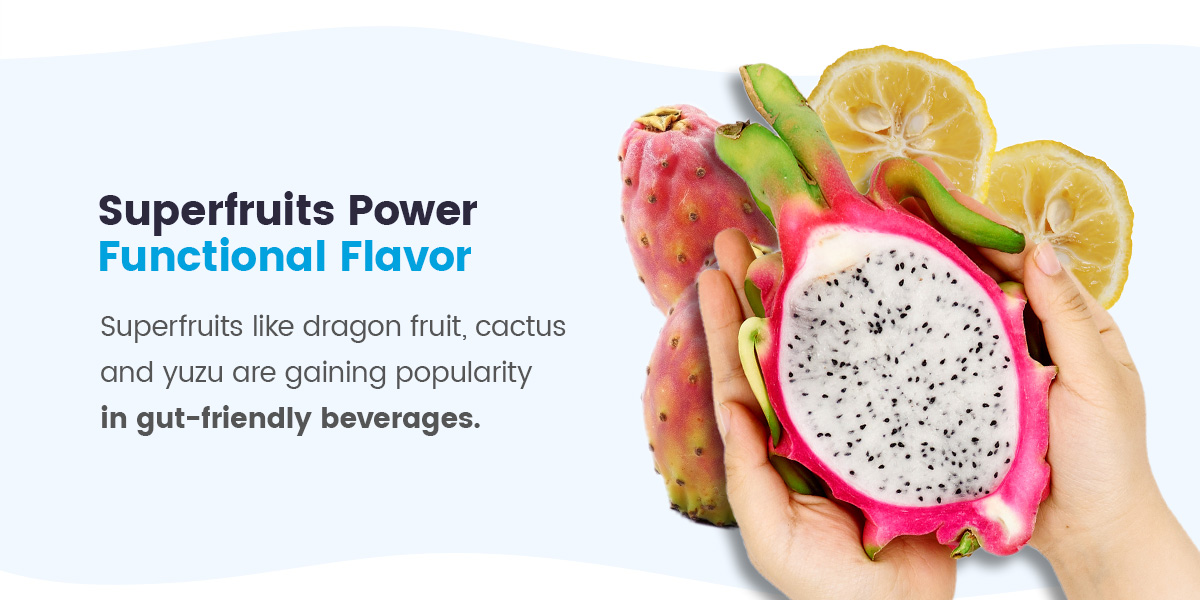
Beverages are turning to superfruits to support immune and digestive health while delivering bold, exciting flavors. Camu Camu's tart, slightly floral profile is prized for its versatility in wellness drinks and low- or no-alcohol launches. Other superfruits like dragon fruit, cactus and yuzu are gaining popularity in gut-friendly beverages. Global-inspired citrus, such as yuzu and calamansi, adds an adventurous flair for consumers seeking vibrant, functional taste experiences.
When formulating with superfruits, inherent crop variability can affect color, brix, and acidity, making consistency a key formulaton challenge. Brands often blend juices or purees with natural flavors to deliver uniform, clean label products year-round.
AI, Experience and the Rise of the Phygital Beverage
The digital world is becoming part of the beverage experience. As development cycles become tighter and regulations adapt to changing consumer needs, AI serves as both a strategic filter and a creative engine, enabling companies to scale innovation with fewer risks and faster turnarounds.
AI as a Development Accelerator
AI is reshaping the development process, helping brands forecast flavor trends, optimize ingredient combinations and predict consumer response before full-scale formulation. Innovation cycles that once took months can now move significantly faster. Machine-learning models can evaluate thousands of potential ingredient combinations, flag incompatibilities and simulate mouthfeel or sweetness curves. Teams can narrow down options before conducting pilot runs.
By combining AI-assisted trend insights with social virality, brands can bring the “next big thing” to market quickly. Pairing AI with human expertise will turn data-driven insights into beverages that deliver on taste, performance, and market fit.
Phygital Experiences Expand
As digital fatigue sets in, consumers seek brands that combine tech-enabled convenience with sensory-rich, real-world experiences. Texture, aroma, color, fizz and novelty all support experience-driven consumption.
Packaging innovations are leading the shift in 2026. AR labels, interactive packaging and social-media-friendly visuals help bridge the physical product with digital engagement. Moving forward, the goal will be to create digital elements that enhance rather than distract from the experience, helping beverages stand out in crowded sets. Tactile finishes and unexpected shapes also bring novelty back to the shelf, giving consumers a reason to pause and engage.
Category Crashers Break Familiar Boundaries
Conventional boundaries between beverage categories, meal occasions and product formats are rapidly dissolving. As consumer routines evolve, hybrid beverage formats are defying expectations.
Indulgent dessert profiles like tiramisu, S'mores or cookie butter are migrating into mainstream beverage formats. Sophisticated creations such as Cereal Milk Lattes deliver a premium coffee experience inspired by nostalgic breakfast tastes. Savory notes are increasingly infused into sweet beverages — a hallmark of the “Category Crasher” trend. For example, Sumac adds a unique twist to lemonade or miso-infused lattes, further showcasing this savory-sweet crossover.
Develop What's Next With BevSource
As we move into 2026, wellness beverages will continue to evolve beyond simple hydration or basic nutrition. Success will belong to brands that deliver immediate, measurable benefits while striking a balance between bold flavors and immersive experiences. Meeting consumers' shifting priorities around health, convenience and purpose requires innovation that's fast, functional and authentic. Those who can seamlessly blend science, sensory appeal and social engagement will lead the next wave of beverage innovation.
BevSource helps beverage innovators move from early ideas to scalable, retail-ready products with clarity and confidence. Our team brings deep technical expertise, supply-chain foresight and proven commercialization support to every stage of development. Whether you're building a new functional platform or preparing an established brand to align with 2026 beverage trends, we deliver practical solutions that maintain momentum.
Contact us today to bring your vision to life as a viable, production-ready reality.