Functional Magic: How Pea Protein Transforms Beverage Applications
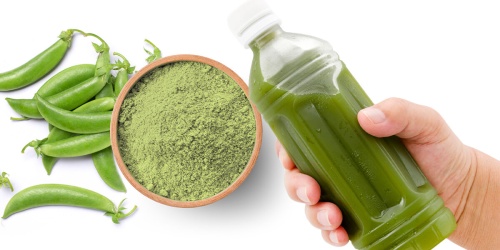
Pea protein has moved from a niche ingredient to a key building block in modern plant-based protein beverages. As demand grows for drinks that do more than hydrate, brands face pressure to deliver clean label formulas with clear benefits and reliable performance. Yet many protein options introduce flavor, stability and processing challenges that slow commercialization or compromise product quality.
In the right form and from the right supplier, pea protein offers a more practical, strategic path forward. Its mild taste, strong nutritional profile and compatibility across a range of beverage formats allow developers to achieve higher functionality without compromising flavor or texture.
With the right strategy, pea protein is more than a functional ingredient — it's a tool for building better, more competitive beverages.
The Rise of Functional Beverages in North America
The functional beverage sector in North America has experienced rapid growth in recent years, reflecting a shift in consumer preferences toward drinks that deliver benefits beyond basic refreshment.
Forecasts project this market to reach around $91.5 billion in revenue by 2030, representing a compound annual growth rate (CAGR) of roughly 8.5% from 2025 to 2030. In the U.S. alone, functional beverages generated an estimated $48.5 billion in revenue in 2024.
These numbers underscore the growing commercial opportunity for brands that deliver functionality without sacrificing taste, convenience or panel integrity. Much of the momentum is fueled by evolving consumer priorities.
- Health and wellness: Consumers increasingly seek beverages that support energy, immunity, hydration and recovery. This health focus fuels demand for nutrient-fortified, low-sugar or vitamin- and protein-enhanced beverages.
- Convenience: Ready-to-drink (RTD) functional beverages align with fast-paced, on-the-go lifestyles. Bottled and canned formats provide a convenient and portable way to obtain nutrients or energy without preparation. This convenience factor appeals to working professionals, fitness-minded individuals and urban consumers who value quick, no-fuss nutrition.
- Plant-based and protein trends: Growing interest in plant-based diets and clean-label products has expanded the role of alternative proteins, including pea protein, in functional beverages. This trend reflects broader dietary and lifestyle shifts toward plant-based nutrition, natural ingredients and more sustainable consumption.
Continued formulation innovation is also expanding the category beyond conventional sports and energy drinks. Emerging formats such as protein waters and nutraceutical beverages are encouraging consumers to explore functional options across more consumption occasions.
Why Pea Protein? The Science and Consumer Appeal
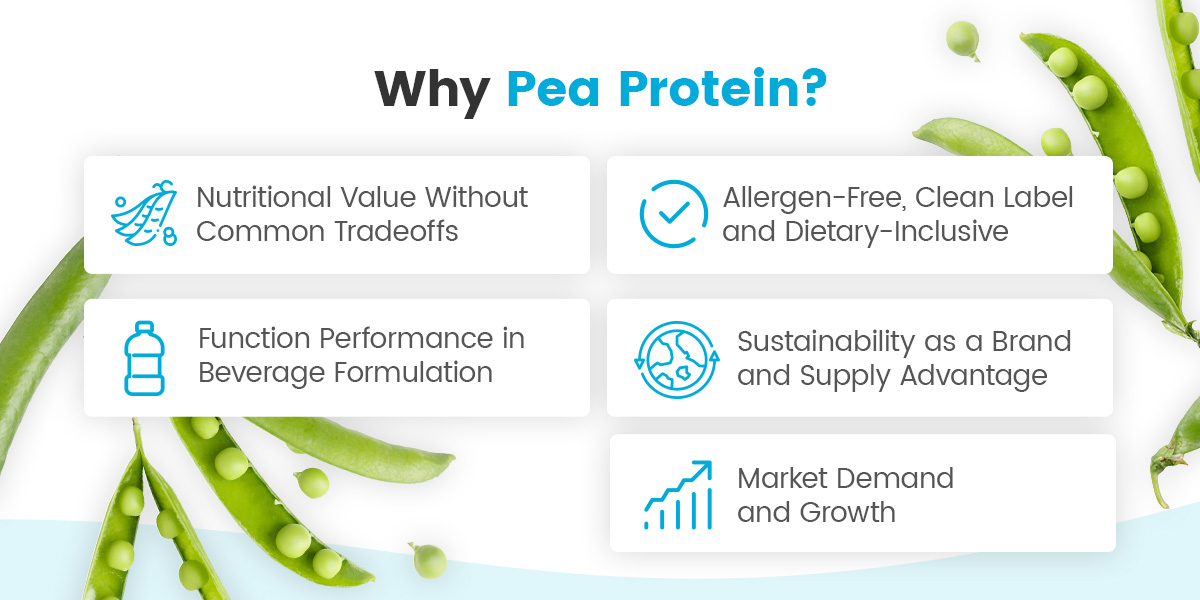
Pea protein stands out among alternative proteins for its robust nutritional profile, functional benefits and alignment with emerging consumer values. For brands developing functional beverages, it offers a rare combination of formulation flexibility, clean-label compatibility and commercial scalability.
Nutritional Value Without Common Tradeoffs
Pea protein delivers a high-quality protein with a good Protein Digestibility Corrected Amino Acid Score, supporting muscle health and satiety without the saturated fat and cholesterol associated with many animal-based proteins.
It tends to be rich in iron, adding further nutritional value without additional fortification steps. Pea protein is also safe for the kidneys, which supports general health claims.
Functional Performance in Beverage Formulation
From a formulation perspective, pea protein has versatile functional properties in beverages. Its strong water- and oil-binding capacity and emulsification performance support product stability across a range of formats. A relatively neutral flavor profile also makes it easier to integrate into protein shakes, fortified waters and juice-based beverages without compromising taste or mouthfeel.
These attributes make pea protein an especially strong fit for performance beverages targeting muscle recovery, weight management and everyday wellness.
Allergen-Free, Clean Label and Dietary-Inclusive
Pea protein offers distinct advantages in terms of being allergen-free and dietary restriction-friendly. It's naturally free from soy, dairy and gluten — common allergens that many consumers try to avoid. Additionally, many pea protein sources are non-GMO and minimally processed, aligning with the rising demand for clean label food and beverage products.
For brands, this means the opportunity to label products as dairy-, soy- or gluten-free. This dietary inclusivity enables brands to support multiple label claims and expand appeal across vegans, flexitarians and allergy-conscious consumers without fragmenting product brands.
Sustainability as a Brand and Supply Advantage
Pea protein also supports sustainability goals that increasingly influence both consumer choice and corporate strategy. Peas require less water and land than animal protein sources and contribute to soil health by fixing nitrogen, reducing the need for synthetic fertilizers. For beverage brands, this creates credible sustainability narratives while supporting long-term ingredient sourcing resilience.
Beyond its nutritional and dietary benefits, pea protein offers sustainability advantages. Their cultivation typically requires less water and land than animal-based protein sources and generates lower greenhouse gas emissions.
Market Demand and Growth
The broader market context shows how demand is shifting in favor of pea protein. Globally, the pea protein market is projected to grow to $4.7 billion by 2030, a CAGR of 12.1%, with North America representing the largest regional share of the market at 33.1%.
This growth reflects both supply-side shifts, more pea protein availability and demand-side trends, increasing interest in plant-based diets, wellness-oriented nutrition and environmentally responsible ingredients. For beverage brands, adding pea protein to their beverages is a strategic choice. It unlocks clean-label nutrition, expands dietary reach and taps into sustainability values, all while aligning with growing consumer demand.
Formulation Challenges and Solutions for Pea Protein Beverages
Pea protein offers significant commercial and nutritional advantages, but it also presents some technical hurdles that beverage developers must address early in the R&D process. Understanding these challenges and how to resolve them helps brands achieve stable, great-tasting products.
Solubility and TextureLimitations
Protein solubility remains one of the most common formulation challenges associated with pea protein. Pea protein can suspend unevenly, settle over time or create visible cloudiness that affects perceived quality. These issues are often amplified in low-pH formulas or high-protein systems. Texture can also be a challenge. Without the right ingredient balance or processing, pea protein can develop a chalky or grainy texture and mouthfeel that detracts from the intended drinking experience.
Flavor Considerations
Flavor presents another challenge. Pea protein naturally carries earthy and beany notes, which can vary, depending on the source, processing method and concentration. Without effective flavor-masking strategies, these notes can compete with fruit, cocoa, coffee and other hero ingredients. A beverage may meet nutrition goals yet still fall short in sensory performance if these issues are not addressed early in development.
Strategies to Overcome Technical Hurdles
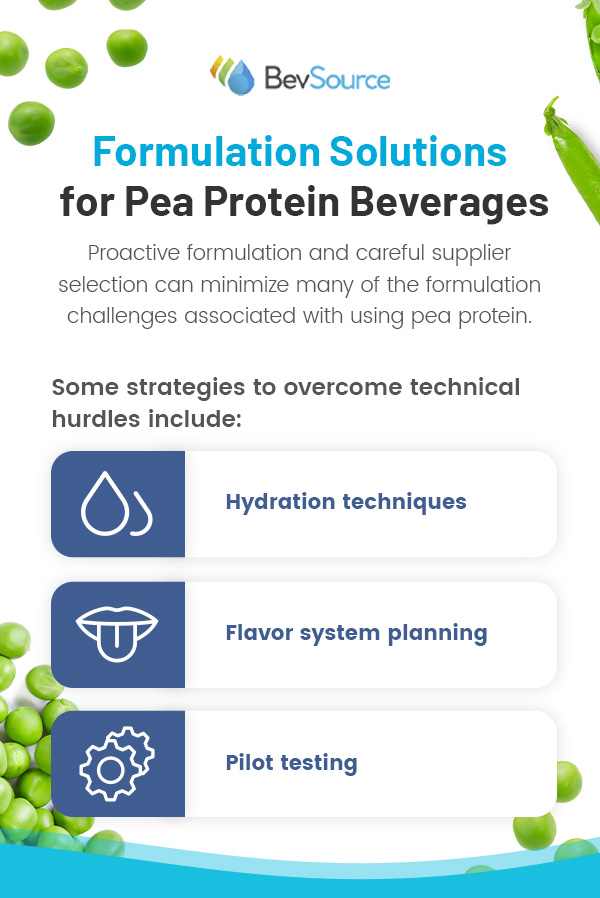
Proactive formulation and careful supplier selection can minimize many of the formulation challenges associated with using pea protein. Different pea protein grades, extraction methods or particle sizes influence solubility, flavor and stability. Requesting samples from multiple suppliers helps the team identify the most compatible option for their beverage format.
Some strategies to overcome these technical hurdles include:
- Hydration techniques: In RTD formats, homogenization and optimized emulsifier blends contribute to a smoother texture and improved dispersion. Stabilizers can limit separation over shelf life, but dosing must be precise to avoid unwanted viscosity.
- Flavor system planning: Masking agents and small adjustments in sweetener type can neutralize beany notes without compromising clean label goals. Acidulants and salts can sharpen flavor, clarify or soften harsh edges.
- Pilot testing: Controlled sensory evaluations and shelf-life studies reveal how formulas behave over time and under different storage conditions. These insights help teams optimize taste, texture and consistency at scale before investing in full production.
The Importance of Expert Formulation and Innovation Support
Pea protein beverages demand careful coordination across scientific, sensory and commercial considerations. Partnering with product development experts helps brands navigate these complexities by connecting teams with the right ingredient suppliers, providing formulation guidance, and advising on processing and scale-up strategies. This knowledge can shorten development cycles and reduce costly trial-and-error. These partners understand how formulation decisions influence high-volume production, supply chain reliability and quality control.
Teams that collaborate with specialized beverage developers gain a more accurate understanding of ingredient performance, manufacturing constraints and scaling pathways. This guidance supports stronger prototype design and smoother commercialization, leading to a finished product that meets both consumer expectations and operational requirements.
Regulatory and Labeling Considerations

Bringing a pea protein beverage to market requires careful attention to FDA rules and claim standards. Labels must communicate value without overstating benefits, and every claim should align with federal guidance designed to protect consumers from misleading information.
Clear compliance supports smoother commercialization and reduces legal exposure. Specific FDA definitions and regulatory positions include:
- Functional: The FDA doesn't define “functional” as a regulatory term. Brands often use it to describe products formulated to deliver benefits beyond basic nutrition, such as energy support or digestive balance. As the term has no legal definition, it must be paired with accurate ingredient listings and substantiated items.
- Healthy: Voluntary “healthy” claims are regulated. Products must meet limits for added sugars, saturated fats and sodium and contain meaningful amounts of specific food groups. Before adding “healthy” to any labeling or marketing materials, teams should verify that the complete formula satisfies these nutrient thresholds.
- Natural: The FDA hasn't established a formal definition for “natural,” but it maintains the expectation that the term refers to products without artificial or synthetic ingredients. Brands using “natural” should confirm that ingredient sourcing and processes support the claim.
Every beverage must include mandatory label elements, such as a product name, net quantity, manufacturer content information, an ingredient list, and a Nutrition Facts or Supplement Facts Panel that reflects current FDA formatting rules. The panel must list calories and core nutrients, including fats, cholesterol, sodium, dietary fiber, total sugars, added sugars, protein, potassium, iron, calcium, and vitamin D.
Serving sizes must adhere to established reference amounts, and all percent Daily Values must be based on the latest federal standards.
Avoiding Misleading Claims
Compliance requires precise language and scientific backing, another area where an R&D partner offers valuable support. Structure and function claims must be truthful and documented and never suggest treatment or disease prevention. Nutrient-content claims must meet qualifying criteria. Broad promises, vague benefits or unverified performance statements carry regulatory and competitive risk.
Strong internal review processes and clear evidence for every claim help teams launch compliant products while protecting long-term brand equity.
What's Next for Functional Beverages?
The functional category keeps growing as consumers demand beverages for specific goals like cognitive support, recovery and daily wellness. Pea protein positions brands to innovate beyond basic energy and hydration plays
Personalized Nutrition
Consumers increasingly expect beverages tailored to individual goals, from muscle recovery to cognitive support or overall wellness. Data-driven personalization, whether through segmented product lines or modular, versatile base formulations, enables brands to respond quickly to these emerging needs.
Sustainability Expectations
Retailers and distributors continue to favor brands with documented environmental commitments. Ingredient traceability, resource-efficient crops and lower-impact packaging all influence buyer decisions. With its comparatively light environmental footprint, pea protein aligns naturally with these sustainability expectations, giving brands both operational and marketing advantages.
Unlock the Potential of Pea Protein in Your Beverages
Pea protein’s versatility, from plant-based beverages to functional formulations, makes it a strategic tool for brands aiming to meet growing consumer demand for health, performance and clean label products. Its neutral flavor, robust nutritional profile and compatibility across beverage formats enable teams to innovate without compromising taste, texture or scalability.
Bringing these products to market requires careful coordination across formulation, ingredient sourcing and supply chain considerations. With guidance on ingredient performance, supplier selection and commercialization pathways, brands can move confidently from concept to production, reducing trial-and-error and accelerating time to market.
Connect with BevSource's experts to uncover the full potential of pea protein in your next beverage.